Tents & Shelters
A tent is the piece of gear that decides how a night outside feels. These guides explain floor area, peak height, wall shape, vestibules and rain protection in plain terms, so you can match a shelter to your group size and the way you travel.
Stop 2 of 7 on the trail
What to compare in tents & shelters
The specs that decide whether a product fits, and the limit people tend to miss.
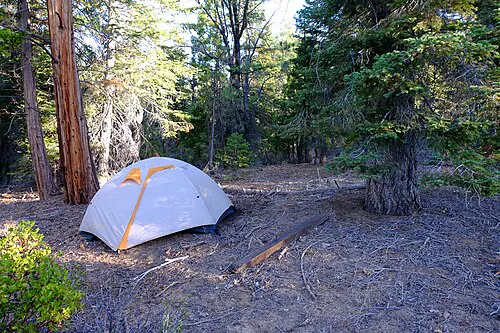
Car camping dome tent
- Floor area and floor shape, not just the "person" rating
- Peak height and how steep the walls are
- Number of doors and vestibules
- Full-coverage rainfly vs. a partial "cap" fly
- Packed size against your trunk space
Watch for: A "4-person" rating usually means four standard sleeping pads side by side with no room for bags or gear.
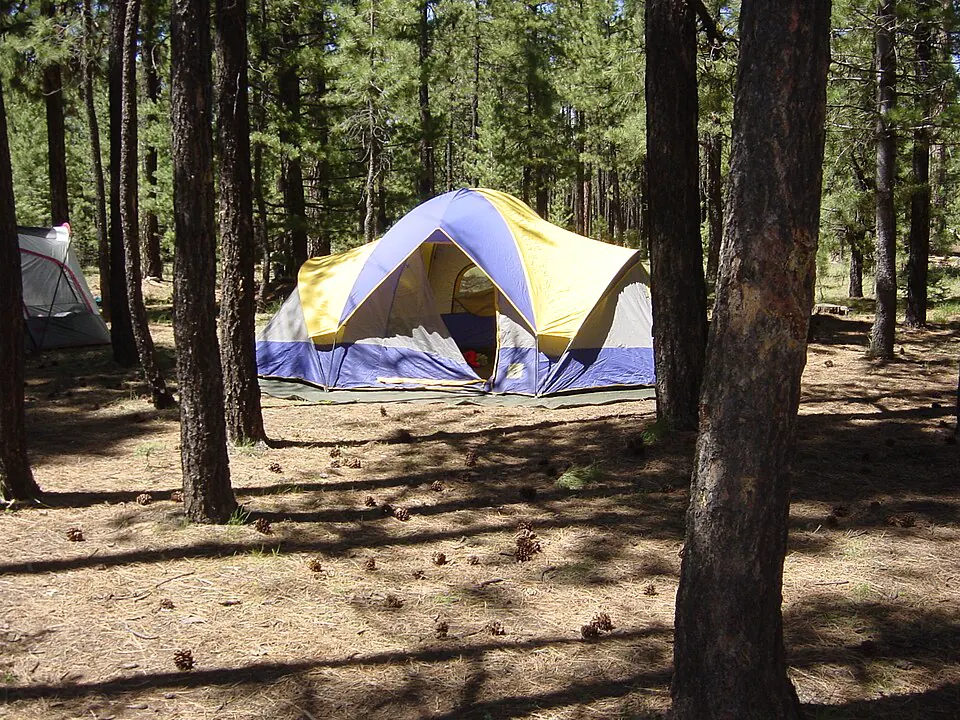
Cabin-style tent
- Near-vertical walls and standing height
- Pole count and how long setup takes
- Wind stability and number of guy-out points
- Room dividers and interior pockets
Watch for: Tall, flat walls catch more wind, so they need every guyline staked out in exposed sites.
Tent footprint
- Cut to match your tent floor or a generic size
- Material weight and abrasion resistance
- Whether it works with the fly for a light "fast pitch"
Watch for: A footprint that sticks out past the tent floor collects rain and channels it underneath you.
Canopy or screen shelter
- Covered area and leg height
- Mesh walls for bugs vs. open sides
- Stake and guyline points for wind
- Packed length and weight
Watch for: Most canopies are sun and light-rain shelters; take them down in strong wind instead of trusting the stakes.