What to compare in packs & storage
The specs that decide whether a product fits, and the limit people tend to miss.
Daypack
- Volume in liters for snacks, water and layers
- Hip belt and sternum strap
- Hydration sleeve and side bottle pockets
- Rain cover or water-resistant fabric
Watch for: A pack that fits your torso length matters more than a few extra liters.
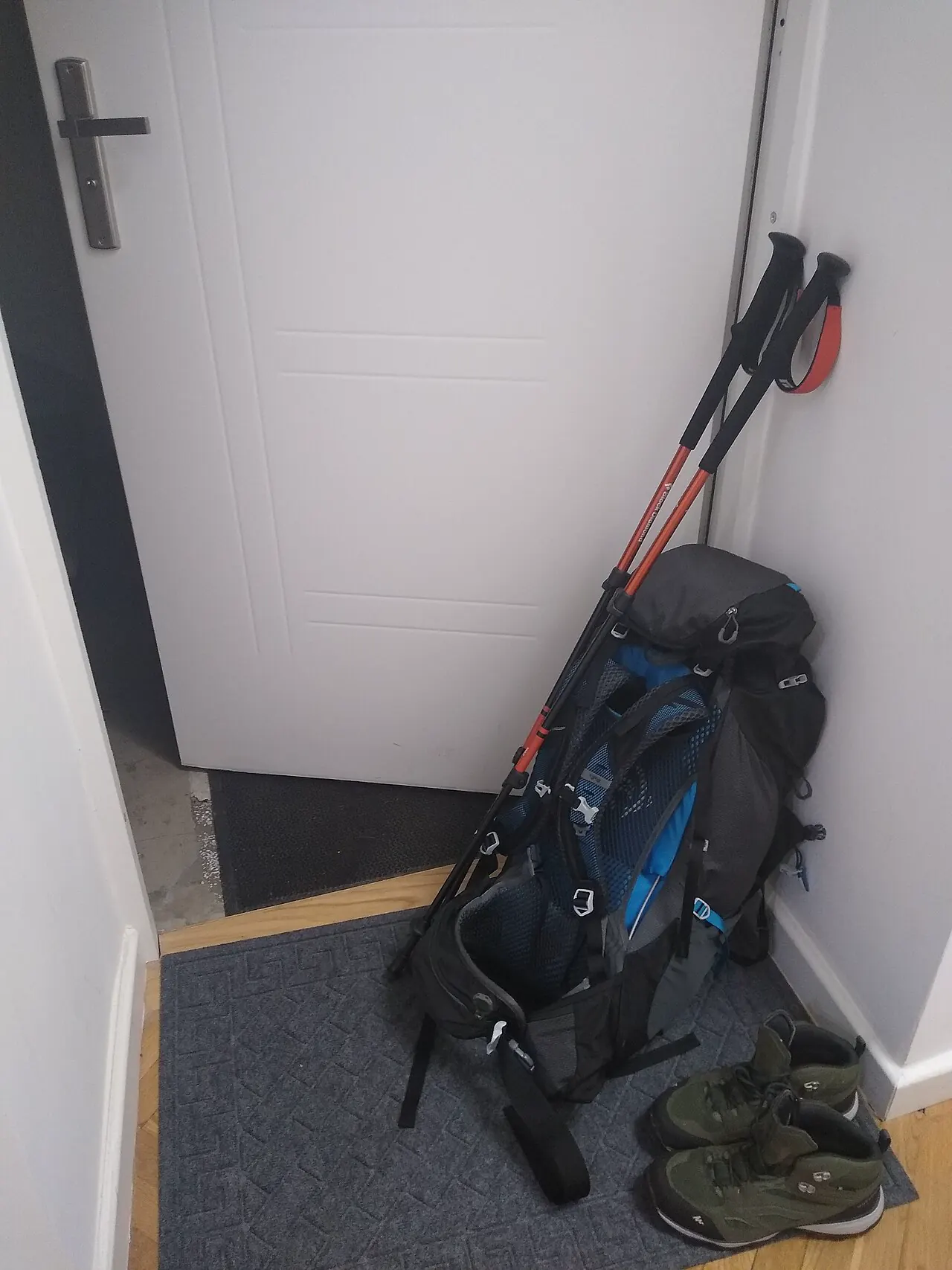
Backpacking pack
- Volume and the load range the frame is built for
- Torso length and adjustable harness
- Hip belt padding and pockets
- Access: top-loading only or a front or side zip
Watch for: A pack carries well only near its design load; overloading a light frameless pack is uncomfortable fast.
Gear duffel
- Water-resistant fabric and zipper
- Wide opening for packing
- Backpack straps or carry handles
Watch for: Soft duffels squash easily, so keep fragile items like lanterns in a hard bin.
Storage bin
- Latching lid and how well it seals
- Size that stacks in your trunk
- Clear sides so you see what is inside
Watch for: Bins with food or scented items still count as wildlife attractants; follow the campground storage rules.
Guides to start with
Full guides for this section are on the way. These cover the gear most readers ask about first.