What to compare in sleeping gear
The specs that decide whether a product fits, and the limit people tend to miss.
Sleeping bag
- ISO 23537 or EN 13537 comfort and limit ratings
- Down vs. synthetic fill
- Mummy vs. rectangular cut
- Zipper length and whether two bags zip together
Watch for: The big number on the label is often the limit rating, which is colder than most people find comfortable.
Sleeping pad
- R-value rated under ASTM F3340
- Thickness and width
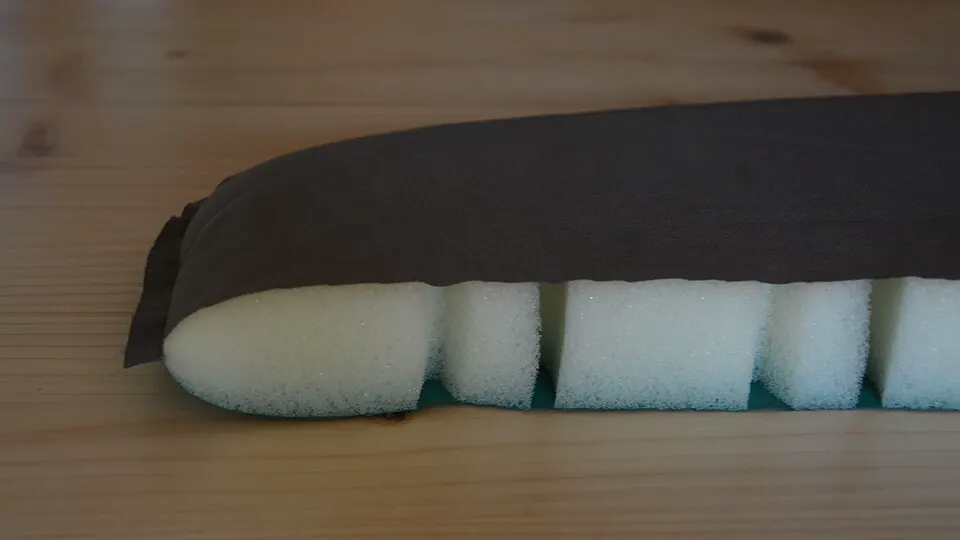
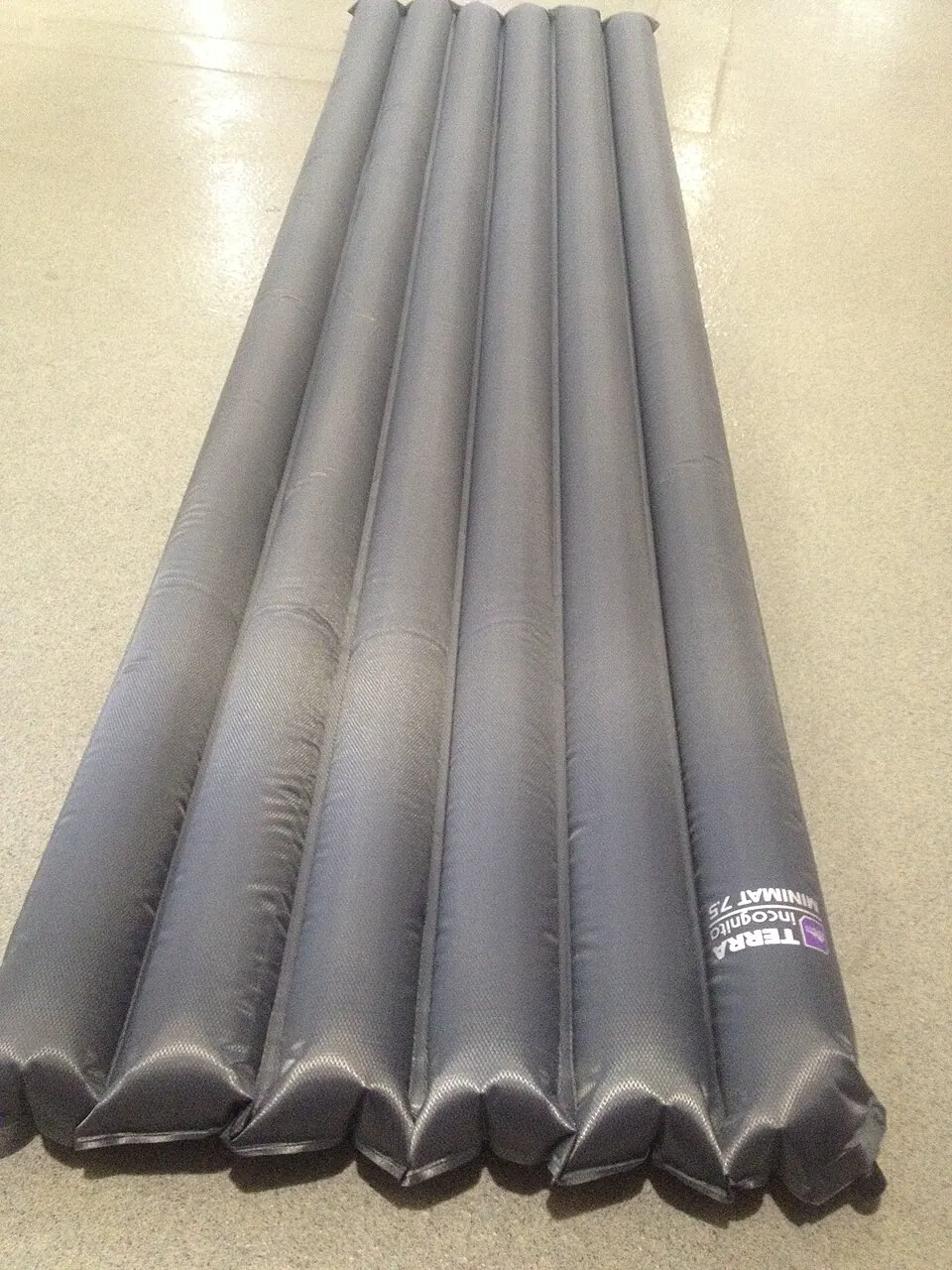
- Self-inflating, air or closed-cell foam
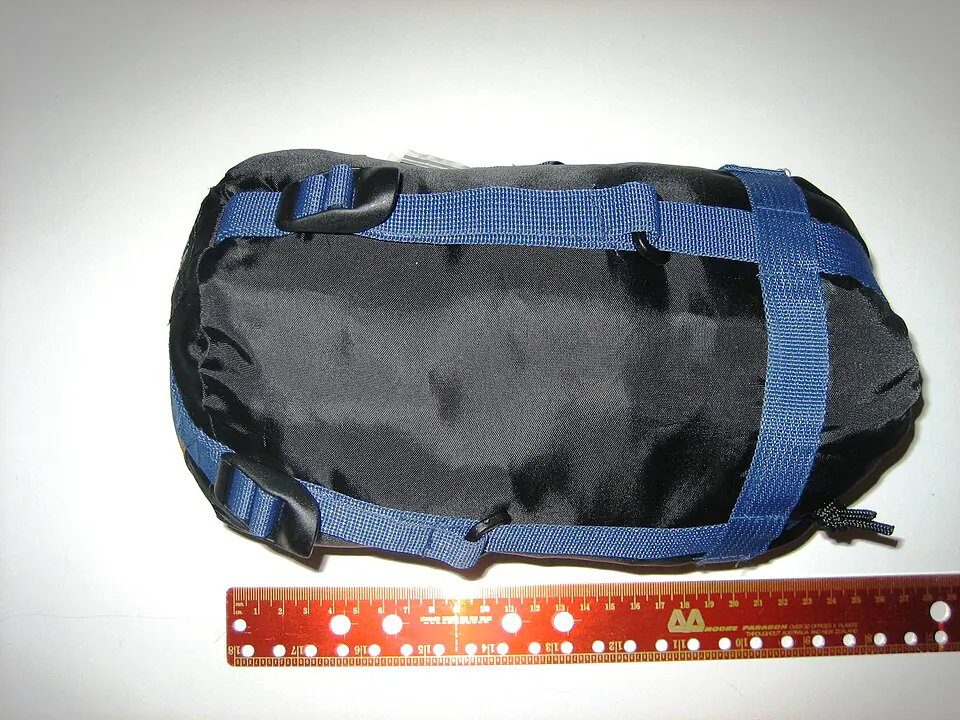
- Packed size and how you inflate it
Watch for: A thick air pad can still be cold; thickness is comfort, R-value is warmth.
Camp mattress or cot
- Height off the ground and footprint inside the tent
- Insulation underneath (cots let cold air circulate)
- Pump type: built-in, rechargeable or manual
- Weight limit and frame stability
Watch for: An uninsulated air mattress or cot can feel cold on chilly nights unless you add a pad or blanket on top.
Camp pillow
- Inflatable, compressible foam or hybrid
- Height and whether it can be adjusted
- Surface fabric and noise
Watch for: For car camping, a pillow from home often works better than a small packable one.