What to compare in lighting & power
The specs that decide whether a product fits, and the limit people tend to miss.
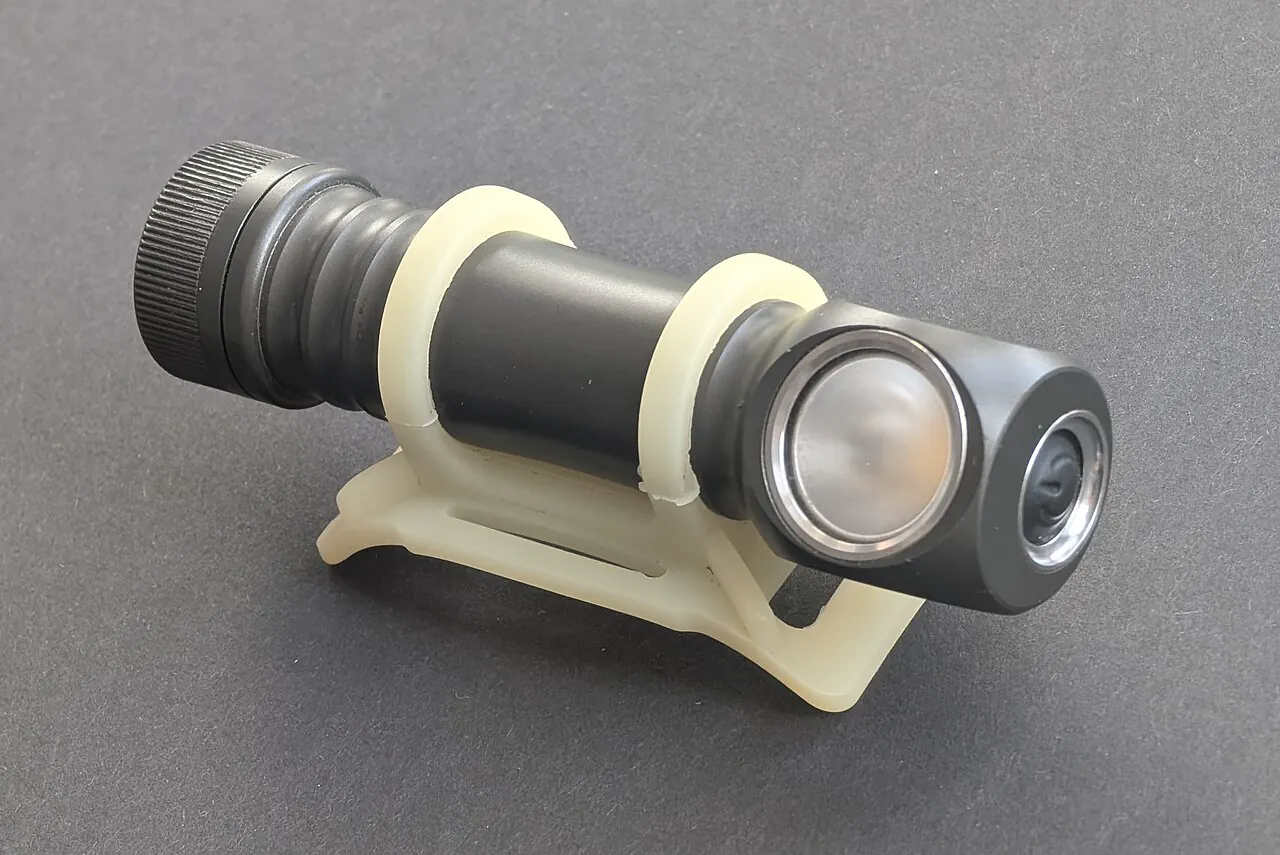
Headlamp
- Brightness in lumens and how many modes it has
- Red light mode for night vision and tent mates
- Rechargeable battery vs. disposable batteries
- Water resistance rating (IPX)
- Lock mode so it does not turn on in a bag
Watch for: Burn times on the box usually describe the lowest mode, not the bright setting you will use most.
Camp lantern
- Spread of light vs. focused beam
- Warm vs. cool color
- Hanging hook and stand
- Power source: batteries, USB or solar
Watch for: Use battery lanterns in tents; fuel lanterns give off heat and carbon monoxide.
Portable power station
- Capacity in watt-hours (Wh)
- Continuous and surge output in watts
- Outlet types: AC, USB-C, USB-A, 12 V car socket
- Charging options: wall, car, solar input
- Weight and handle design
Watch for: High-draw items like electric kettles or space heaters can drain a small unit fast or exceed its output limit.
Power bank
- Capacity and number of phone charges
- USB-C power delivery for fast charging
- Size and weight
Watch for: Cold nights reduce how much charge lithium batteries deliver, so keep them in the tent, not the car.
Guides to start with
Full guides for this section are on the way. These cover the gear most readers ask about first.