What to compare in camp cooking
The specs that decide whether a product fits, and the limit people tend to miss.
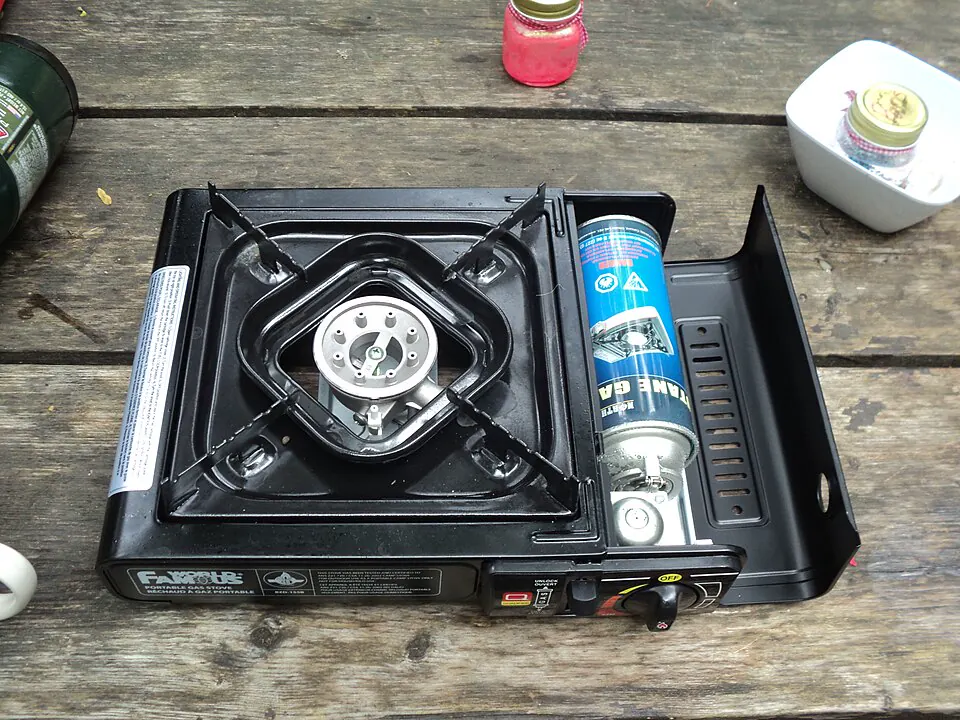
Two-burner camp stove
- Burner output (BTU) and how finely it simmers
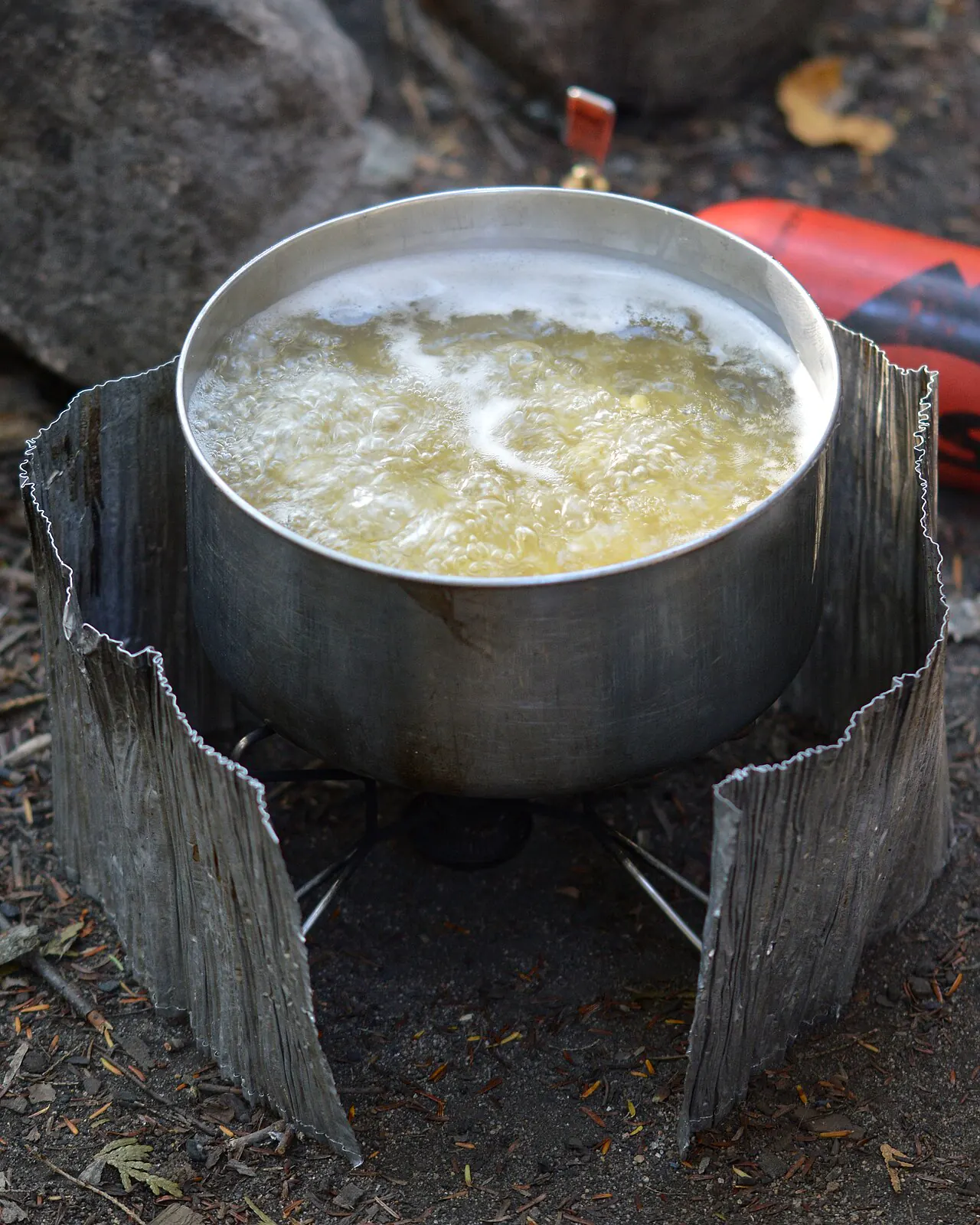
- Wind screens on the sides and back
- Fuel type: small propane cylinders or a refillable tank with an adapter hose
- Ignition: built-in igniter vs. match or lighter
- Grate size for your largest pan
Watch for: Never use any fuel-burning stove inside a tent, camper shell or closed vehicle: carbon monoxide builds up fast.
Backpacking canister stove
- Weight and packed size
- Stability with a pot on top
- Simmer control vs. fast boiling only
- Performance in cold or wind
Watch for: Tall, narrow canister stoves tip easily with a big pot; they suit boiling water more than real cooking.
Camp cookware set
- Material: aluminum, hard-anodized aluminum, stainless steel or cast iron
- Nonstick coating and how to care for it
- Pot and pan sizes for your group
- Nesting design and lids that work as strainers
Watch for: Thin aluminum pots scorch food quickly on a strong burner; keep the flame low for anything but boiling.
Hard-sided cooler
- Wall thickness and lid gasket
- Inside capacity vs. outside size in your car
- Drain plug and handles
- Whether it meets bear-resistant rules where you camp
Watch for: Some campgrounds require food and coolers to be locked in a car or a food locker; check park rules before you go.