Headlamp vs. Lantern: What Light to Bring Camping
- Format
- Comparison
- Reading time
- 6 min
- Updated
- November 18, 2026
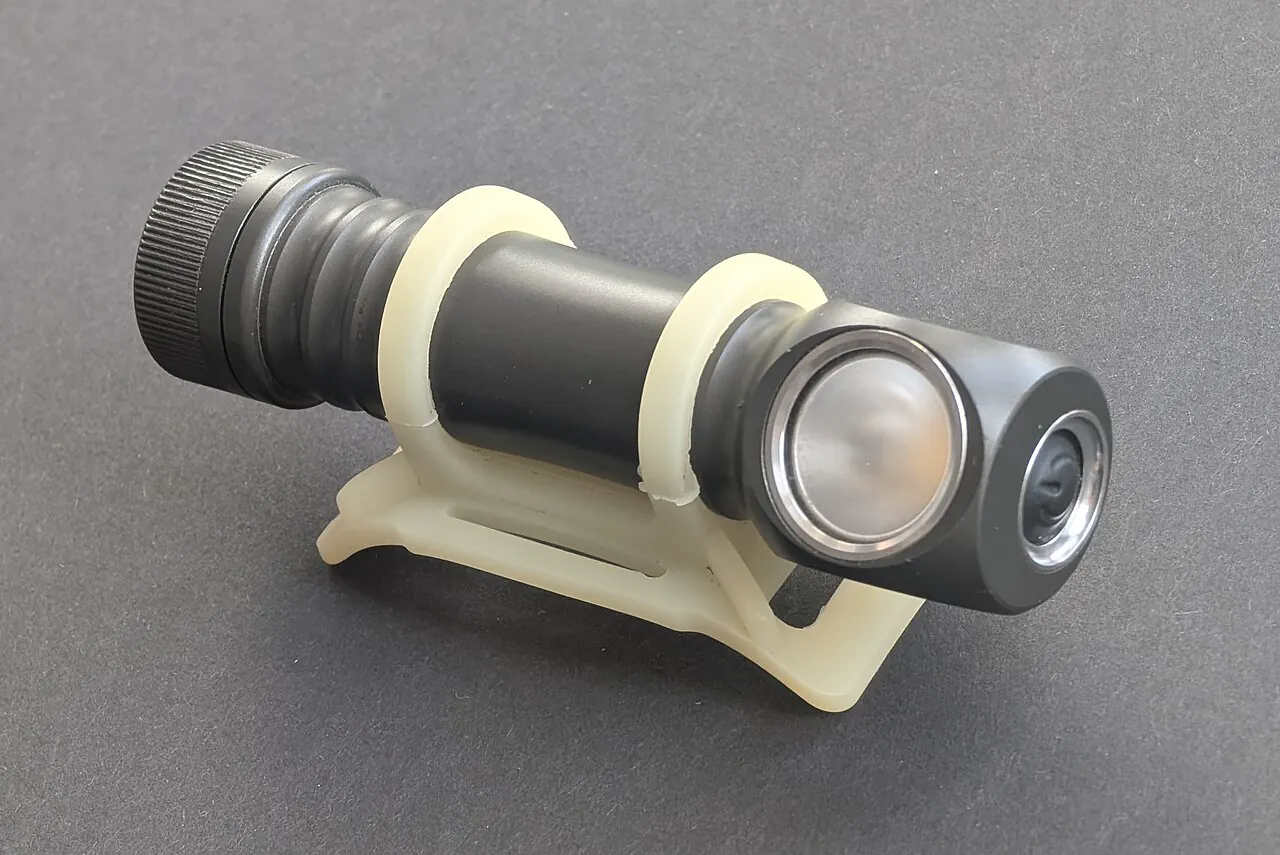
Bring a headlamp for each person and one battery lantern for the table or tent. If you can only buy one, buy the headlamp: it keeps both hands free and goes where you go. Compare lights by listed lumens, run time on the mode you will use, and water rating.
Written for: First-time campers deciding which lights to buy for a campsite after dark
A headlamp and a lantern do different jobs. A headlamp throws light where you look, so it suits walking to the restroom, cooking, and finding a zipper. A lantern spreads light in all directions, so it suits a picnic table or the inside of a tent, where several people need to see at once.
The National Park Service lists illumination among its Ten Essentials and calls headlamps the recommended light source because they are hands-free. It also says to pack extra batteries. That is a good starting rule for a campsite too: one headlamp per person, then a shared lantern.
Side by side
| Headlamp | Battery lantern | Handheld flashlight | |
|---|---|---|---|
| Light shape | Beam that follows your head | Soft light in every direction | Beam you aim by hand |
| Hands free | Yes | Yes, once hung or set down | No |
| Best for | Walking, cooking, setting up, reading | Table, tent, card games | Spotting things at a distance |
| Weak spot | Shines in faces when you talk to people | Lights only one place | Ties up a hand |
| How many | One per person | One per table or tent | Optional spare in the car |
Reading the numbers on a listing
Many makers report light performance under ANSI/PLATO FL 1, a standard from the portable lighting trade association. It gives a common way to state light output in lumens, beam distance and run time, so two lights rated under it can be compared. If a listing shows the FL 1 icons, the figures follow that method. If it does not, treat the numbers as the seller's own claim.
| Spec | What it describes | What to watch |
|---|---|---|
| Lumens | Total light output on a given mode | The headline figure is usually the brightest mode |
| Beam distance | How far the beam reaches | Matters on a trail; matters little at a picnic table |
| Run time | How long a mode lasts on one charge or set of batteries | Find the run time for the mode you will use most, not only the longest one |
| IP rating | Resistance to dust and water | Read the second numeral for water |
| Battery type | Built-in rechargeable or replaceable cells | Whether you can swap in spares at camp |
Water ratings
IP ratings come from the International Electrotechnical Commission. The code has two numerals. The first grades protection against solid objects, from 0 to 6. The second grades protection against liquids, from 0 to 9. On lights you will often see a rating such as IPX4, where the X means the first numeral was not rated. A higher second numeral means more water protection. For camping, you want a light rated for rain at least, since it will be used in wet weather sooner or later.
Headlamp features worth having
- Several brightness levels, including a low one for inside the tent. Low modes also last far longer.
- A red mode. It is dim, easier on dark-adapted eyes and kinder to the people you are looking at.
- A lock so the light cannot switch on inside a bag and drain itself.
- A tilting head, so you can aim at your hands while cooking without bending your neck.
- A strap that adjusts easily, especially for kids.
Lantern features worth having
- A hook or loop for hanging from the tent ceiling or a branch above the table.
- A dimmer. Full brightness is rarely pleasant at close range.
- A warm light color if you find blue-white light harsh in the evening.
- A stable base that does not tip on an uneven table.
- A USB output is a bonus, but check how much it shortens the light run time.
Rechargeable or replaceable batteries
Rechargeable lights save buying batteries and top up from a power bank or the car. Lights that take standard cells let you carry spares and swap them in seconds. Some headlamps accept both. For a weekend at a drive-in site, either works. For longer trips without a way to recharge, replaceable cells or a power bank are the safer plan. Cold nights reduce what any battery delivers, so keep lights and spares in the tent, not the car.
Before you buy a camp light
0 of 6 packedQuestions people ask
How many lumens do I need for camping?
Less than the box suggests for camp chores. Tasks at arm's length are comfortable on a low or medium mode. High output matters mainly for walking unlit trails or finding something far away. Pick a light with a good low mode and decent run time on medium.
Can my phone flashlight replace a headlamp?
It works in a pinch, but it ties up a hand and drains the battery you need for maps and emergencies. A basic headlamp solves both problems.
What does IPX4 mean?
IP is the IEC ingress protection code. The X means the light was not rated for dust, and 4 is its grade on the liquid scale, which runs from 0 to 9. Higher second numerals mean more water protection.
Is a lantern safe to leave on inside a tent?
A battery lantern is. Hang it where it will not be knocked down. Never use a lantern that burns fuel inside a tent.
Sources
This guide is research-based: it draws on manuals, published specifications and safety guidance, not on hands-on testing.As an Amazon Associate we earn from qualifying purchases. Links to Amazon are paid links; they cost you nothing extra. Affiliate disclosure